We MISS You!! Come Back to Church.
Ain’t No Church Like Our Church!!!! Mount Olive Tampa: The Place of the Oil.
COLORS Campaign - Ends March 29, 2026.
Remember: CyberSanctuary Members and Visitors can ALWAYS participate in Church Events. Just let us know your Interest.

Chance or skill which truly dictates success in gambling

Chance or skill which truly dictates success in gambling
The Role of Chance in Gambling
Gambling is inherently unpredictable, and chance plays a significant role in determining outcomes. Most games are designed with built-in randomness, where the result is influenced by luck rather than player ability. Whether it’s rolling dice, spinning a roulette wheel, or drawing cards, these games create scenarios where luck can make or break a player’s experience. This unpredictability is part of what makes gaming exciting, as many enthusiasts will explore online casinos not on gamstop to find new avenues for entertainment.
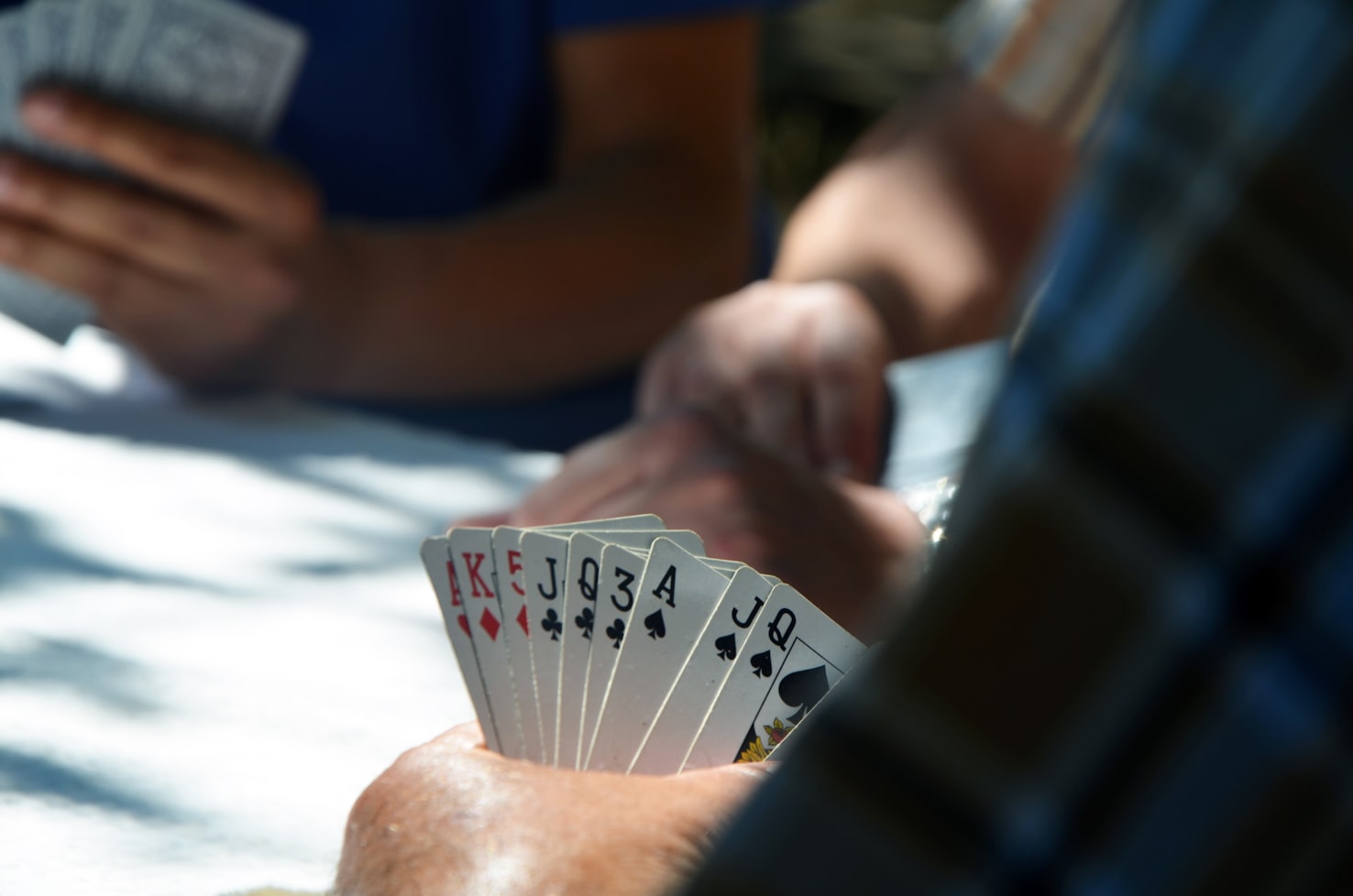
The concept of chance ensures that every player, regardless of their experience or skills, has an equal opportunity to win. This unpredictability is part of what makes gambling appealing. However, relying solely on chance can lead to unsustainable gambling habits, as players may find themselves caught in a cycle of hope and disappointment.
The Importance of Skill in Gambling
While chance has its place, skill is undeniably crucial in many gambling scenarios. Games like poker, blackjack, and sports betting require a level of strategic thinking, psychological insight, and mathematical prowess. Skilled players often have a significant edge over those who depend solely on luck, as they can make informed decisions that maximize their potential winnings.
Understanding the rules, odds, and strategies can lead to more favorable outcomes. For instance, seasoned poker players can read their opponents, calculate pot odds, and manage their bankroll effectively. This blend of skill can turn the tide in their favor, highlighting that skill is a powerful tool in the gambling arsenal.
Balancing Chance and Skill
The most successful gamblers are those who understand how to balance chance with skill. While games of pure chance might not allow for strategic input, recognizing when to rely on luck versus skill can enhance the overall gambling experience. For instance, players may choose to play skill-based games when they feel confident and opt for chance-based games when they seek a more casual approach.
This balance enables players to develop a gambling strategy that suits their personality and risk tolerance. By acknowledging the role of both elements, gamblers can make informed decisions that lead to more consistent results, reinforcing the idea that neither chance nor skill should dominate the gambling landscape.
The Psychology of Gambling
The interplay of chance and skill creates a unique psychological environment for gamblers. Many players believe they can influence outcomes through skill, leading to a phenomenon known as “illusion of control.” This psychological aspect can enhance the thrill of gambling but can also lead to overconfidence and risky behavior.
Understanding the psychological factors at play helps players recognize when they are relying too heavily on hope rather than a well-thought-out strategy. By cultivating a balanced perspective, individuals can approach gambling with a more grounded mindset, improving their overall experience and success rate.
Conclusion and Resource Insights
In conclusion, the debate between chance and skill in gambling is complex. Both elements play vital roles, and successful gamblers understand the importance of each. By cultivating skills while also recognizing the unpredictable nature of chance, players can enhance their gambling experiences.
For those looking to learn more about the intricacies of gambling and how to navigate the challenges it presents, various resources offer valuable insights. Whether you’re a novice or a seasoned player, understanding these dynamics can pave the way for more enjoyable and informed gambling decisions.